AS Thailand and Cambodia are tearing into each other over a century-long territorial dispute, United States President Donald Trump should rethink his claim that he ended this “war”.
At the heart of the deadly clashes are territorial claims over undemarcated sections of a shared border stretching 817km. This border, first mapped in 1907 during France’s occupation of Cambodia that ended in 1953, revolved around ancient Khmer temples and offshore plots in the Gulf of Thailand.
The primary contentious point is the ancient Preah Vihear Hindu temple, which the International Court of Justice awarded to Cambodia in 1962. Because the ICJ didn’t rule on who gets the surrounding territory, the two nations clashed in 2008, after the temple was recognised as a Unesco World Heritage site, and again in 2011.
In 2013, the ICJ clarified that Cambodia had sovereignty over the surrounding territory, a ruling Thailand bitterly disputed.
In the middle of this year, clashes reignited, sparked by nationalist sentiments and government retaliations on both sides. It moved Prime Minister Datuk Seri Anwar Ibrahim to use neutrality, personal connections and trust to broker a ceasefire in July, in parallel with peace efforts by the United States.
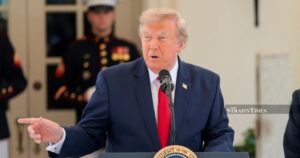
That led to the Kuala Lumpur Peace Accord in October, witnessed by Trump who was attending the Asean Summit. Both sides agreed to withdraw heavy weapons, participate in joint landmine clearance and promote dialogue. Alas, peace was fleeting.
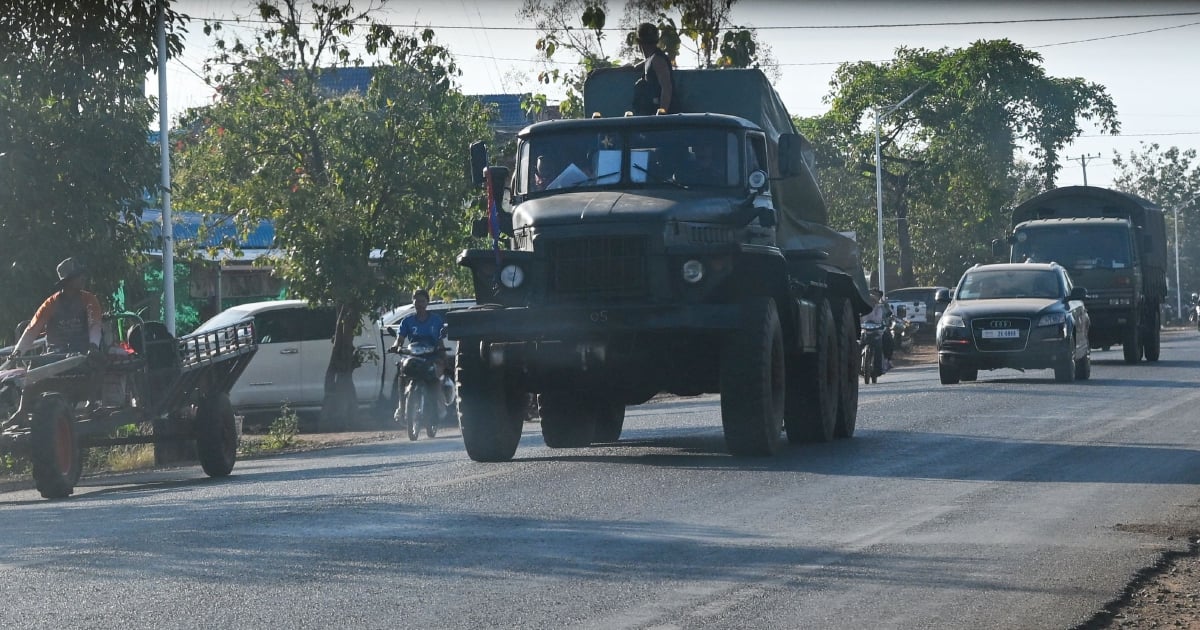
Both sides deployed fighter jets, tanks and drones to attack each other, killing Thai soldiers and Cambodian civilians, while 500,000 evacuees from both sides sought refuge in pagodas and schools.
Troubled by this development, Malaysia has implored the two nations to return to the negotiating table to de-escalate tensions and protect civilians. As the outgoing Asean chair, Anwar is redoubling efforts to show that negotiations are practical options to achieve peace, prosperity and partnership.
Who violated the ceasefire is immaterial. The two nations’ psychologies have been shaped by decades of bitter warfare.
Cambodia was defined by the 1968-1975 civil war, culminating in the Khmer Rouge’s monstrous genocide that killed two million people or 25 per cent of the population.
Thailand’s historical conflicts stretch back to the 1940-1941 Franco-Thai War, phasing into World War 2 and followed by their backing of the United States in the 1955-1975 Vietnam War. Since then, Thailand fought through communist insurgencies and now, protracted violence, killings and bombings in southern Pattani.
Though both nations are bound by a bloody history, it need not necessarily define them. Only a return to the negotiating table can bring an end to the human carnage.
© New Straits Times Press (M) Bhd