
KUALA LUMPUR: The rise of experiential tourism is reshaping real estate and hospitality strategies, particularly across Selangor and Kuala Lumpur, where a new visitor economy is taking shape.
This emerging model goes beyond traditional attractions, leveraging technology, data analytics, and immersive engineering to turn destinations into multi-layered experiences rather than single-purpose sites.
“Tourists today increasingly want hands-on, authentic, and memorable experiences rather than passive sightseeing. This includes food trails with local chefs, adventure activities, art spaces, and nightlife districts.
“This trend is driven by younger travellers, social media culture, and a growing preference for stories and memories over material purchases,” market observers said.
At the forefront is i-City with its “first-of-its-kind” attractions launched just to stay relevant and visually distinctive.
Instead of operating as a standalone theme park, the development functions as a fully integrated ecosystem that combines hospitality, retail, offices, and residential components within one destination. This integrated model is designed to extend visitor dwell time, increase per capita spending, and generate recurring traffic.
“For developers, the convergence of tourism and real estate is unlocking diversified income streams, optimising asset utilisation, and enhancing resilience against cyclical downturns in any single sector,” said an industry expert, describing it as a broader structural shift in which urban tourism hubs are transforming into integrated platforms where leisure, lifestyle, and investment converge.
“As experiential travel becomes a primary driver of destination choice, real estate projects that embed attractions, technology, and hospitality elements are increasingly positioned to capture both visitor spending and long-term asset value growth,” said Sam Goh, a real estate consultant.
On-site accommodations such as DoubleTree by Hilton i-City and Wyndham Garden reinforce that model by converting day-trippers into overnight guests.
The model is already showing results. i-City’s leisure segment has recorded double-digit revenue growth, supported by rising attendance averaging about 90,000 visitors weekly, driven by events, marketing campaigns, and continuous reinvestment into new attractions.
Ooi Joon Aun, Asia Pacific president of Wyndham Hotels & Resorts, said Wyndham Garden demonstrates how AI and robotics can redefine hospitality.
“Our global pilots have demonstrated the transformative potential of AI and robotics in redefining hospitality. Wyndham Gardens represents another milestone in our partnership with i-City, allowing us to deliver next-generation guest experiences in one of Malaysia’s most innovative destinations,” he said.
The Wyndham partnership enables i-City to operationalise its AI and robotics roadmap across hospitality and urban living.
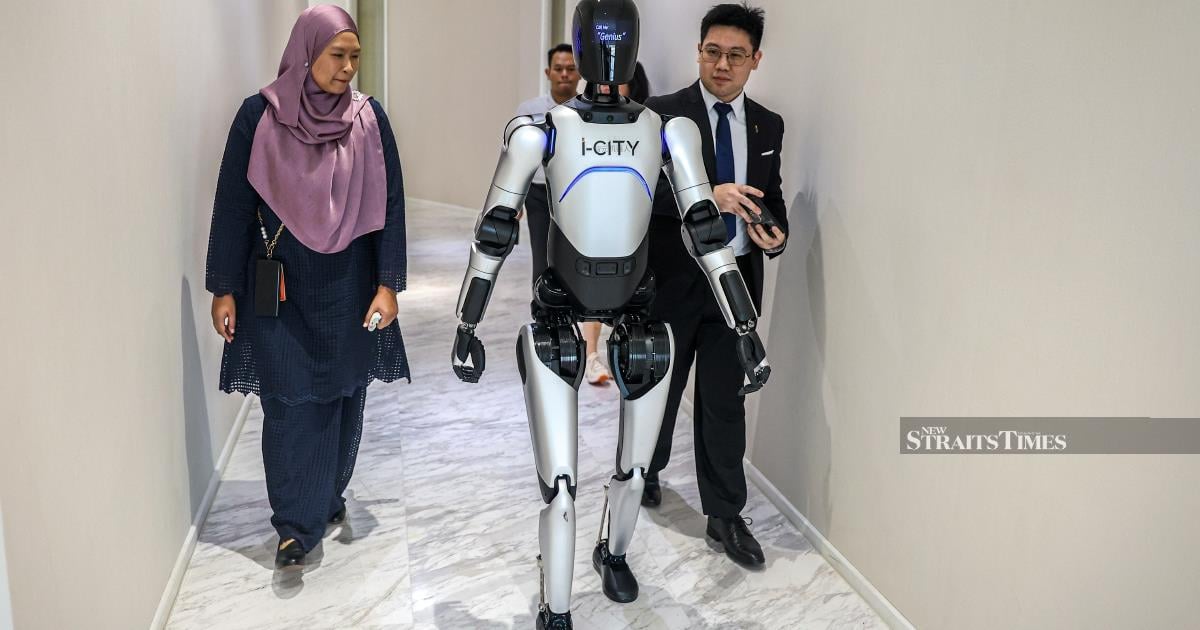
Technology is no longer just a supporting tool — it has become the main attraction. At the AI World Experience Centre, humanoid robots developed in collaboration with AgiBot engage visitors directly, responding, gesturing, and interacting in real time.
Developments by I-Berhad in partnership with Wyndham Hotels & Resorts reflect a growing shift toward hybrid hospitality-residential assets – projects that combine branded residences with professionally managed hotel operations.
“Rather than separating residential ownership from hotel operations, the model combines both within a single structure. Buyers may occupy their units, retain them as secondary homes, or participate in professionally managed hospitality programmes,” said I-Berhad director Datuk Eu Hong Chew.
He describes this as a hybrid hospitality-residential asset class.
Traditional short-term rental ownership often requires fragmented management: furnishing, tenant turnover, cleaning and platform marketing. Under a hotel-branded model, these functions are centralised. For investors, the difference lies in operational continuity, Eu said.
The asset is maintained to hotel standards rather than individual landlord standards. That consistency affects long-term perception and resale confidence, he told Business Times.
“Within this framework, I-Berhad and Wyndham Hotels & Resorts developments in KLCC and i-City represent more than isolated projects. They illustrate how Malaysia’s property market is adapting to changing tourism behaviour, demographic shifts and expectations of managed living,” he said.
“If robots and indoor snow represent the spectacle of innovation, hybrid hospitality structures represent its institutionalisation,” Eu said.
[[nid:1386199]]
© New Straits Times Press (M) Bhd