
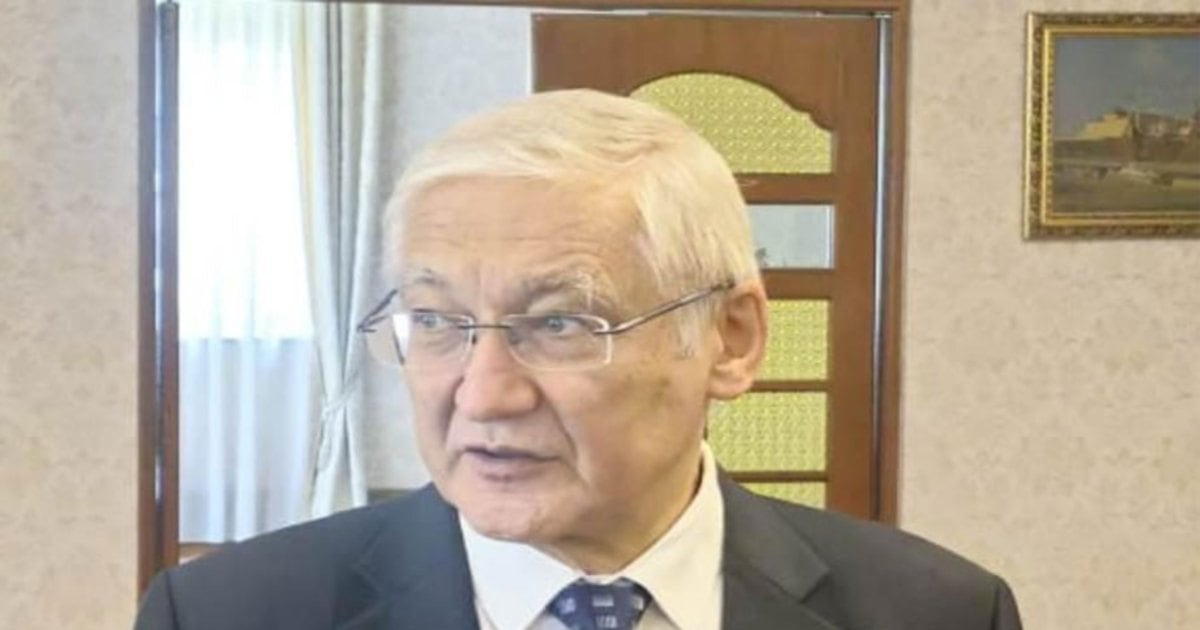
KUALA LUMPUR: Malaysia and Russia are exploring new avenues of cooperation in the peaceful use of nuclear energy as Putrajaya moves towards finalising its National Atomic Energy Programme.
Russia’s Ambassador to Malaysia, Naiyl Latypov, said Moscow welcomed Malaysia’s decision to establish a national framework for atomic energy and stood ready to work with the government once all necessary domestic approvals are completed.
“From my discussions with various Malaysian counterparts, the programme is still under consideration, but we hope the required decisions will be made soon. It will provide a solid basis for cooperation in the peaceful use of nuclear energy,” he told a media briefing today.
Latypov said Russia was prepared to conclude all necessary memoranda of understanding and agreements to facilitate collaboration in several areas, including power generation, technology transfer and regulatory development.
Highlighting Russia’s extensive global experience, he said that the country currently has more than 20 nuclear power projects abroad and is ready to assist Malaysia with a range of options, from large-scale plants to medium and small modular reactors.
“Similarly, we are ready to discuss medium-range or small-range nuclear reactors, particularly floating reactors,” he said, pointing out that Russia is the only country with operational experience in floating nuclear plants.
In line with this, Moscow has proposed opening discussions on the construction of a floating small nuclear station for Malaysia, citing Russia’s existing floating nuclear facility in Kamchatka as a reference point.
“We are open to cooperation. We are ready to invite Malaysian specialists to visit this floating station, examine it and explore the possibilities,” Latypov said.
The model under consideration would see Russia constructing the floating platform, with Malaysia paying solely for the electricity generated.
Latypov added that nuclear-generated power remained cost-efficient, saying it was “cheaper than the electricity produced in Malaysia now”.
Beyond power generation, potential collaboration includes leveraging Malaysia’s industrial capabilities in shipbuilding and the fabrication of floating platform components, particularly in Sabah and Sarawak.
He stressed the importance of cooperation in education and training, as well as the development of legal and regulatory frameworks, describing these as critical pillars of any nuclear programme.
Acknowledging public sensitivities surrounding nuclear energy, Latypov said Russia was ready to support efforts to engage Malaysian stakeholders.
“Nuclear is a delicate issue. We are prepared to help Malaysian authorities work with Malaysian public opinion on this matter,” he said, adding that the proposed projects would contribute to job creation and capacity-building in the regions involved.
© New Straits Times Press (M) Bhd