
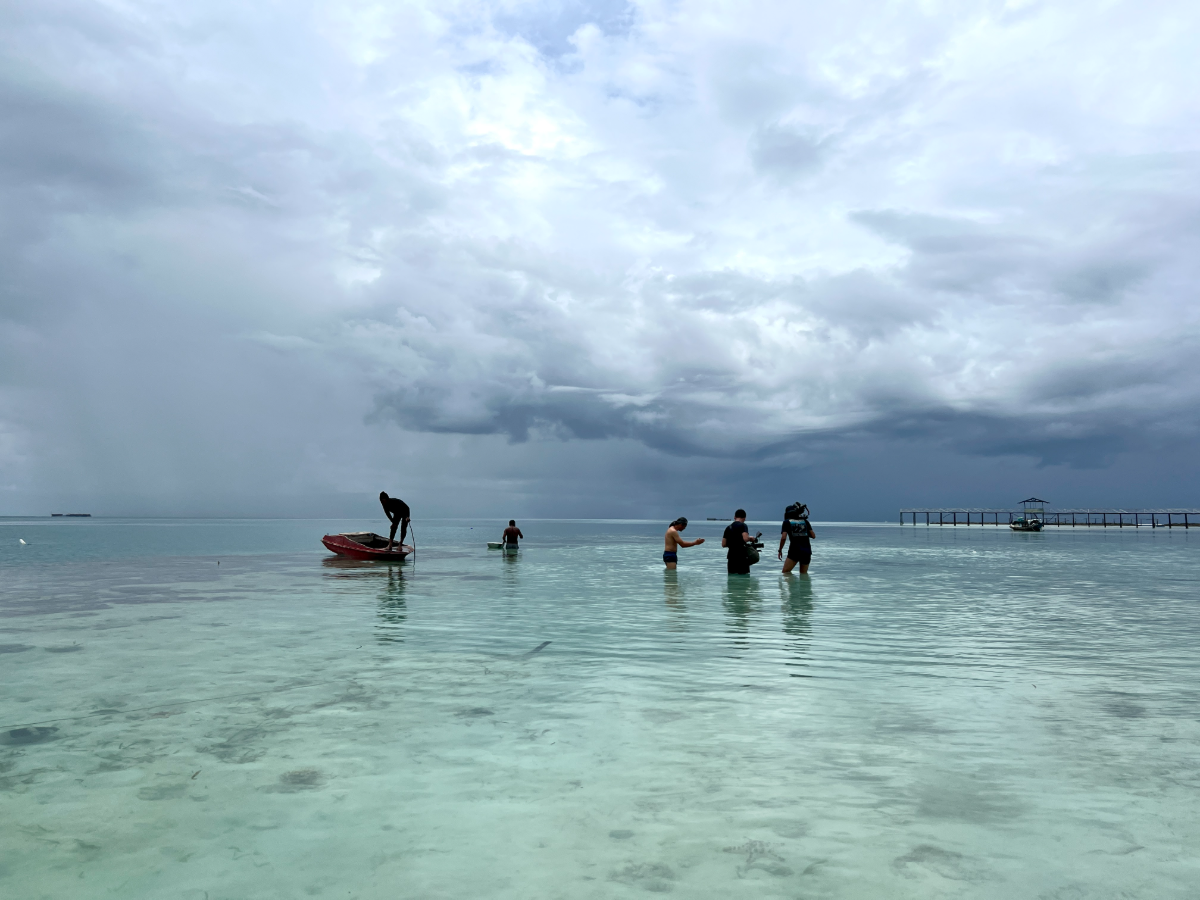
Independent documentary Jom Kita Ke Laut follows three Bajau Laut youths on Omadal Island
On Omadal Island, off the coast of Semporna, life moves to the rhythm of the sea. For many of the Bajau Laut people who live there, that rhythm has always existed outside the formal systems of the country they call home.
That reality sits at the heart of Jom Kita Ke Laut: Itui suli-suli Bajau!, a 72-minute feature documentary directed by Zan Azlee and produced by his wife Sheril A. Bustaman.
Rather than positioning the community as distant subjects, Jom Kita Ke Laut places the camera in the hands of three Bajau Laut youths: Bilkuin, Shima and Didi, who document their own lives.
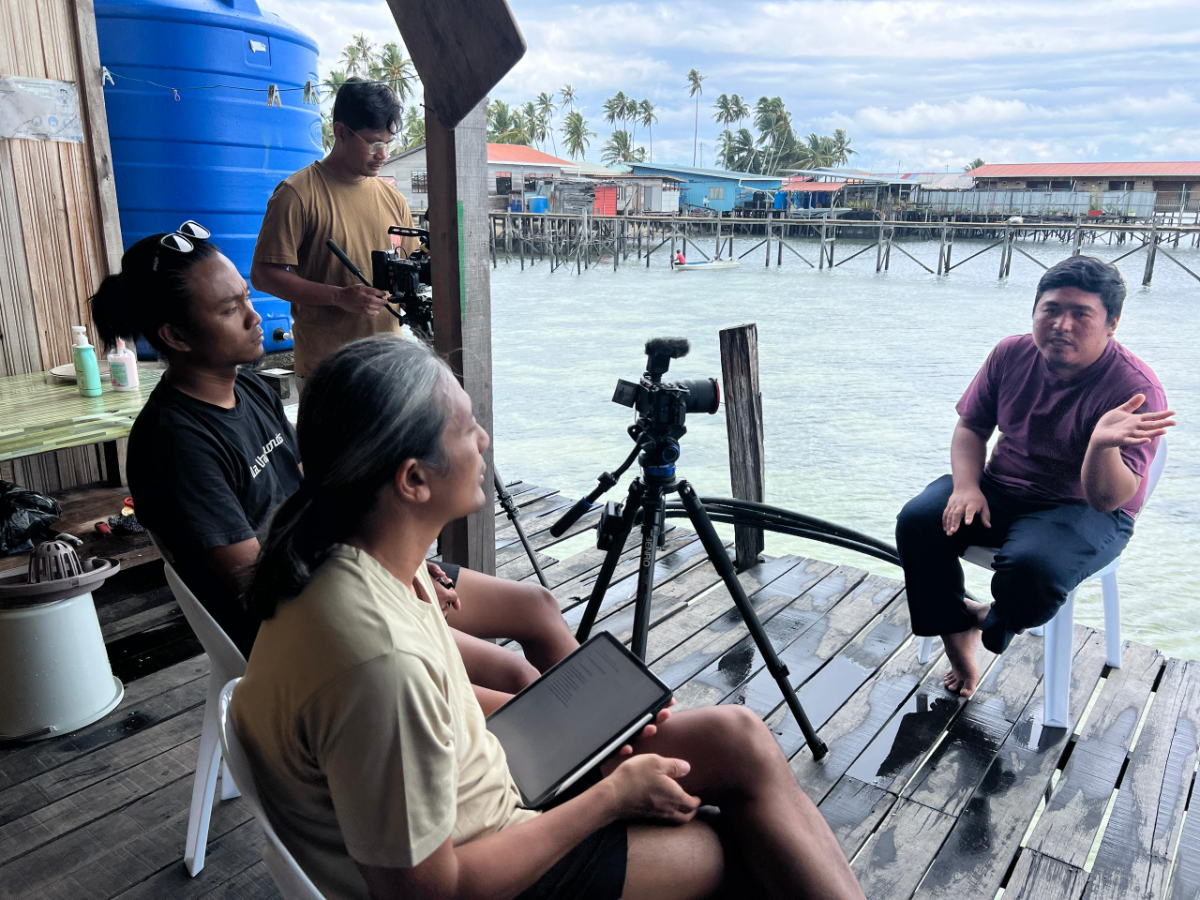
“This is not just a documentary about the Bajau Laut (community) but one made with them. We’re not Sabahan, we’re not from Pulau Omadal and we’re not Bajau Laut. The biggest concern for us was how to tell the story in an authentic way,” Zan said.
Learning to film, then filming themselves
Production on Jom Kita Ke Laut began in early 2025 with a series of filmmaking workshops on Omadal Island, conducted in collaboration with Iskul Sama diLaut Omadal, an alternative learning centre for stateless Bajau Laut children.
Fifteen youths took part, with three eventually selected as junior directors and given cameras to record their daily routines, relationships and aspirations.
“We told them to record their lives. They told us what the issues were and what stories they wanted to tell. We followed their lead,” Zan said.
Three young filmmakers, three different paths
Bilkuin, Shima and Didi are not presented as symbols but as individuals navigating very different pressures. Bilkuin, also known as Jamal Slebew on TikTok where he has more than 38,000 followers, has emerged as one of the most visible young voices from the community.
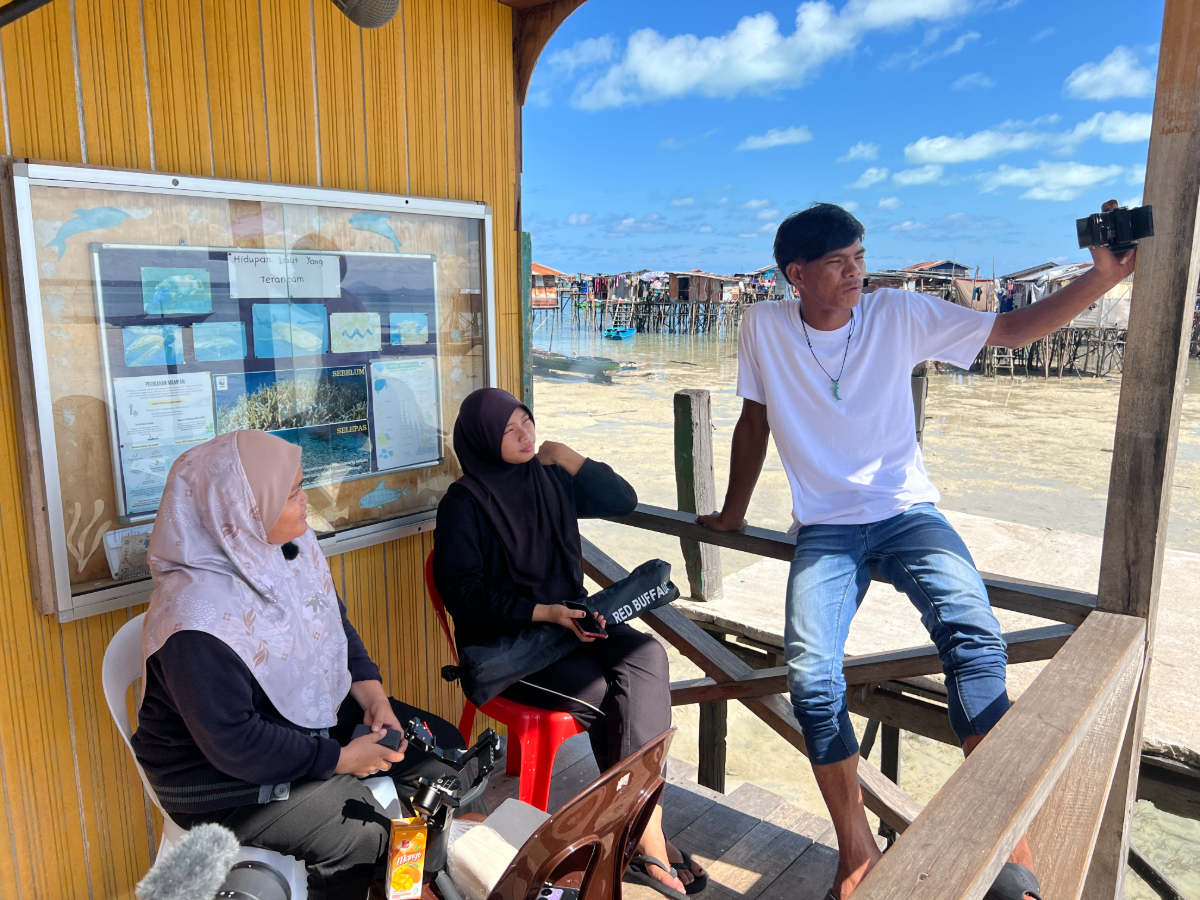
Through social media and in the film, he speaks openly about the hardships of growing up at sea, the discrimination faced by undocumented Bajau Laut individuals and the glue sniffing epidemic that has taken hold among some youths.
His story is marked by personal loss. Bilkuin talks about the death of his sister during childbirth at home, a consequence of limited options and the lack of access to proper medical care.
Despite this, he remains focused on giving back. Soft spoken yet articulate, he now teaches at Iskul Sama diLaut Omadal, working closely with younger children and trying to steer them away from substance abuse.
Shima’s role in the community is equally central. Despite having no formal education, she operates the island’s small clinic after receiving basic training, acting as a bridge between patients and outside medical help.
Her desire to pursue proper education is clear, driven by the wish to better serve her community but remains out of reach due to circumstances beyond her control.
Didi is the only documented member of the trio and the only one to have gone through formal schooling. Raised in Tawau, she completed Form 6 and now runs a small convenience store on the island.
Calm and optimistic, she also teaches at Iskul, bringing what she has learned back to children who may never enter the formal education system.
Living without papers
Their stories unfold against the wider reality of statelessness. Although the Bajau Laut people have lived in Sabah’s waters for generations, many lack the documents required to access basic rights such as schooling, healthcare and formal employment.
“They are Malaysians. They’ve been here for generations, they are in our waters and within our borders. But because they’re not registered, they can’t go to school, they can’t get proper jobs and they can’t get healthcare,” Zan said.
The long-term impact of those absences is visible early in life.
“The two biggest things they lack are education and healthcare. Without education, they can’t improve their lives. Without healthcare, people die from very treatable diseases,” he said.
Hope beyond hardship
Despite confronting these realities, Jom Kita Ke Laut avoids framing its subjects solely through hardship. The film consistently returns to moments of humour, friendship and ambition, particularly among its three young directors.
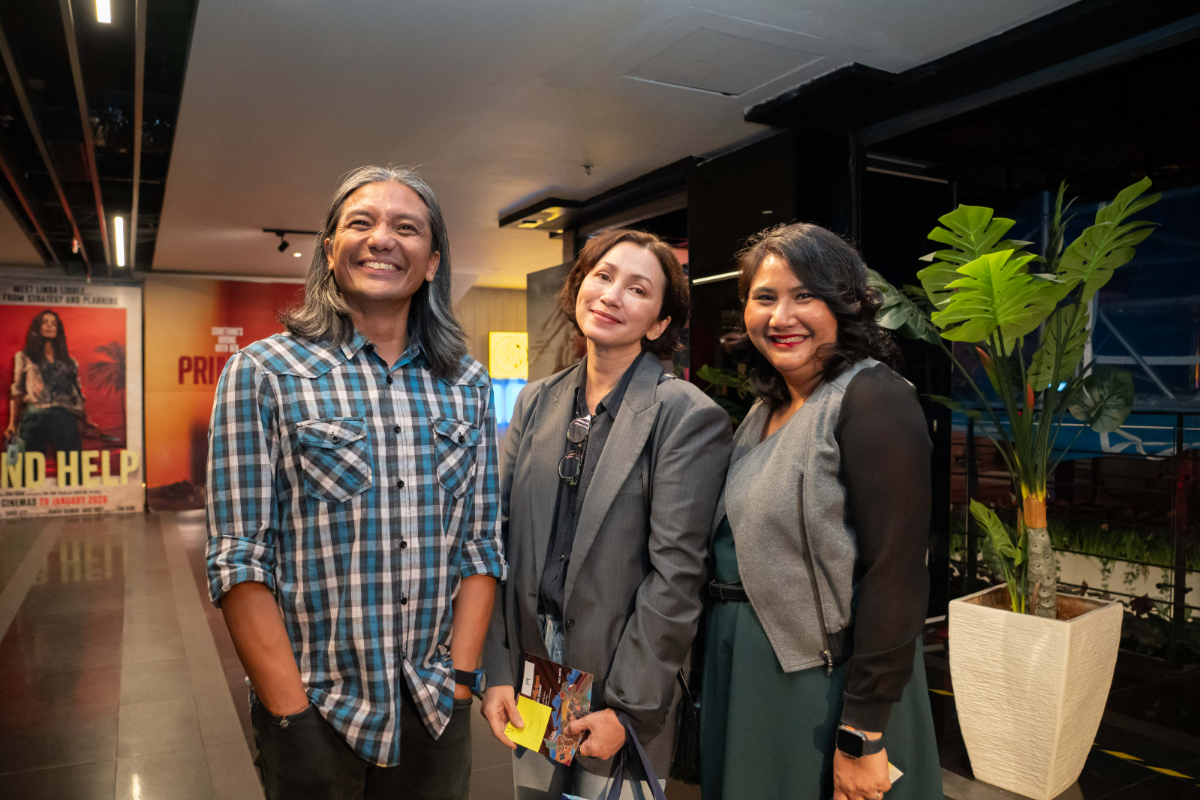
“We didn’t want to tell a story that was only about suffering. We wanted to show a story of hope, happiness and ambition,” Zan said.
One moment in Jom Kita Ke Laut that left a lasting impression involved Shima, who speaks openly in the film about losing hope after realising she could not continue her studies.
“She said there was a time when she felt there was no hope. But one of the teachers told her that even without formal education, you must continue to educate yourself. That stayed with her and now she wants to learn everything she can, wherever she can,” Zan said.
Giving back through film
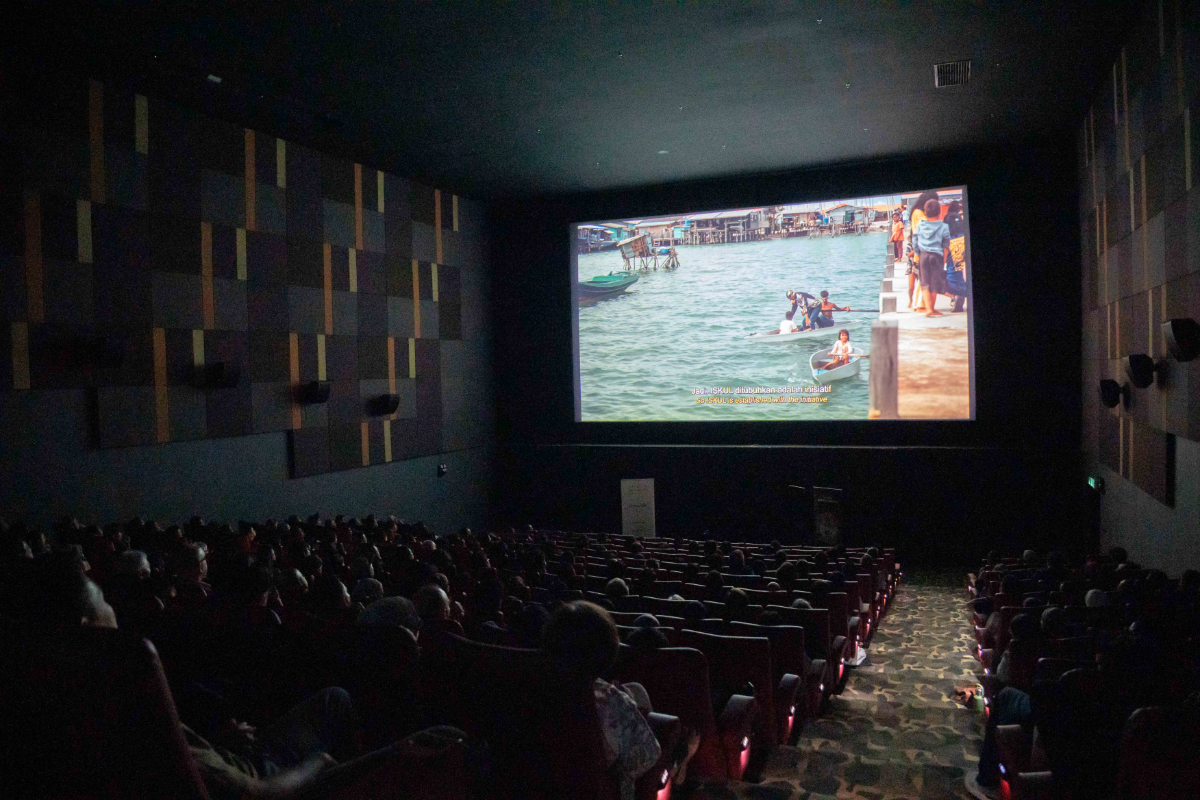
The responsibility of the project continues beyond the film itself. Zan said half the proceeds from Jom Kita Ke Laut will be shared back with the community through Iskul Sama diLaut Omadal, supporting education and basic needs on the island.
The release strategy also reflects that intent. Alongside its cinema run, the team has launched a ticket sponsorship campaign, inviting the public to fund screenings for school students, university students and underprivileged groups.
For Zan, who began his career as a journalist before moving into documentary filmmaking, Jom Kita Ke Laut reflects a belief that storytelling can open conversations even if it cannot solve systemic problems overnight.
“One documentary is not going to change the world. But if it sparks awareness and discussion, that’s already something,” he said.
READ MORE: