
KUALA LUMPUR: The Education Ministry must not use a diagnostic screening test for 6-year-olds entering Year One as a workaround for schools that could become overcrowded.
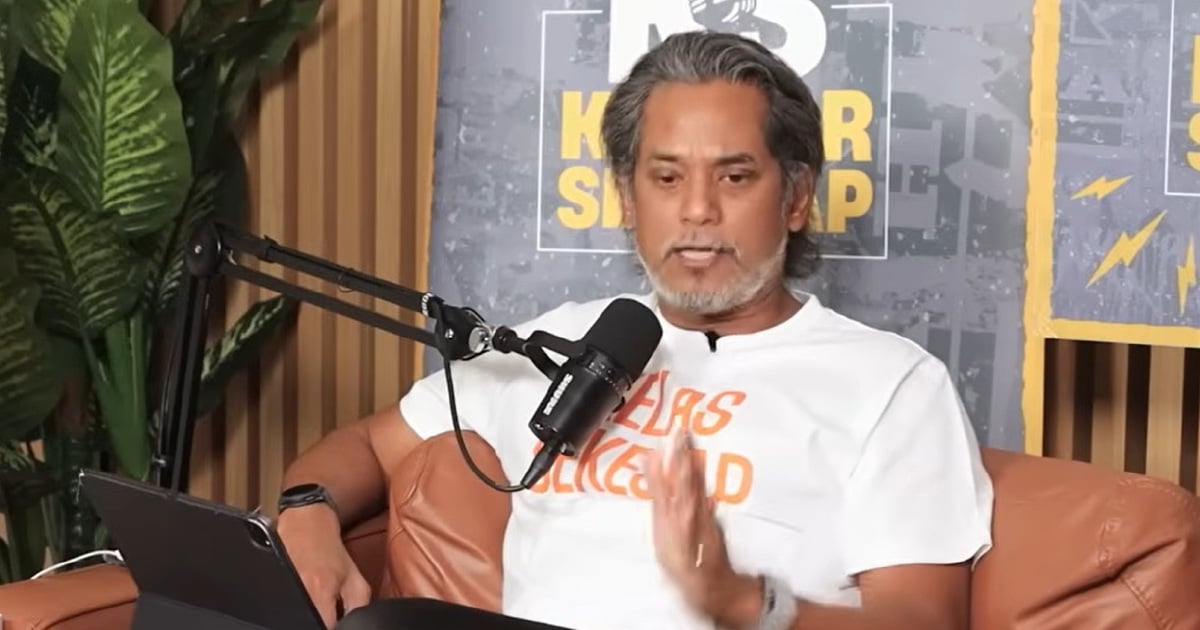
Former health minister Khairy Jamaluddin speaking on the Keluar Sekejap podcast, warned that the proposed screening, meant to assess whether younger children could start school early, risked becoming a tool to manage limited classroom space rather than measure a child’s readiness.
He said this would amount to a policy design failure if infrastructure constraints, not educational considerations, drove the decision.
“They know that if all 6- and 7-year-olds enter Year One at the same time, schools and classrooms will not be able to cope.
“So to avoid overcrowding, they make the screening optional and filter students through a diagnostic test. If that is the reason, then the purpose is no longer about the child’s preparedness.”
Khairy said he was concerned that numbers could end up being “back solved” to match available capacity, rather than reflecting genuine assessments.
“You might say you can only take an additional 10 or 20 per cent, so the line is drawn there. That is wrong,” he added.
Former Umno information chief Shahril Hamdan agreed, saying implementation details should have been settled before such a major policy announcement.
“When something this big is announced and we know it will invite strong reactions, the answers on implementation must already be complete, not ‘we will study it later’,” he said.
Both, however, said they supported the principle of starting primary school earlier, noting that Malaysia begins formal schooling later than many systems.
Shahril suggested the better approach would have been to announce the change but delay implementation by about two years to allow for targeted spending on classrooms and teachers.
“At least you give advance warning and expand infrastructure, even if it looks slower. Then you do not face this problem,” he said.
Khairy said a one-year “surge cohort” of both 6- and 7-year-olds could be managed with proper planning, including temporary measures such as additional teachers or double sessions.
Without that, he said, the screening could create early stigma and perceptions of inequality among children.
“We would be creating a divide between those seen as capable of starting at 6 and those who have to wait until 7.
“The unintended consequences are quite serious,” he said, adding that there was a strong likelihood the policy could be adjusted following public criticism.
© New Straits Times Press (M) Bhd