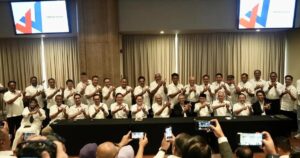
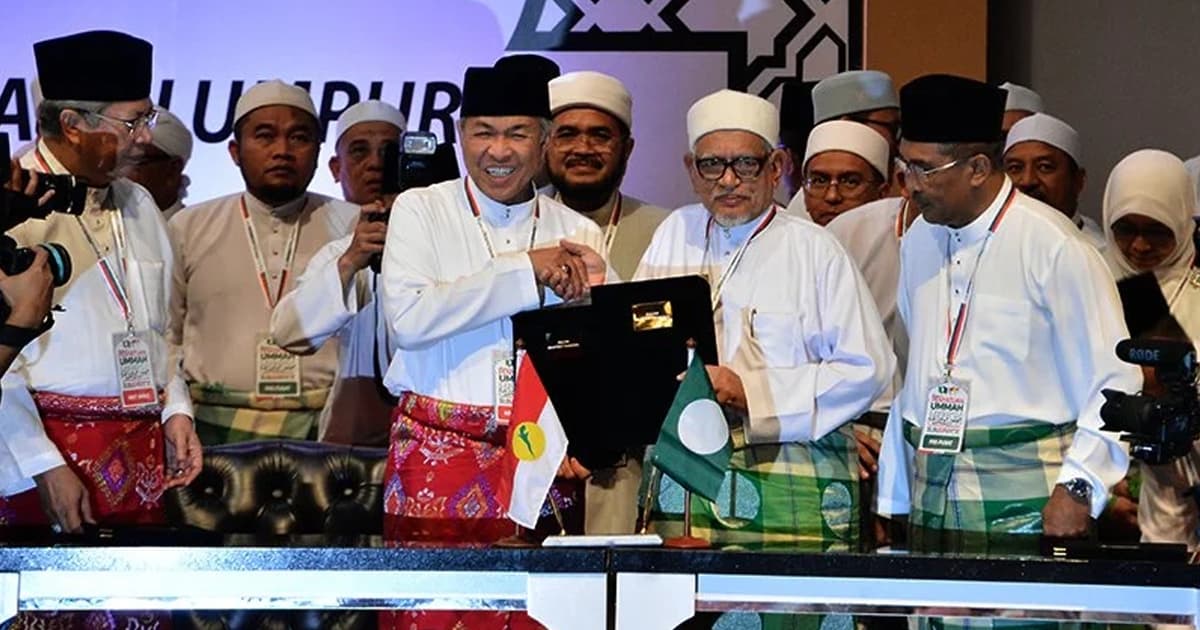

An analyst has played down the possibility of cooperation between Umno and PAS under the Muafakat Nasional (MN) framework, saying this is effectively off the table after the resurfacing of tensions between the two Malay political giants.
Mazlan Ali of Universiti Teknologi Malaysia said PAS had taken a more aggressive stance after feeling sidelined by Umno‘s top leadership, particularly following the outright rejection of the MN 2.0 proposal.
“When Umno rejected the idea, PAS appeared to have felt that the move was unjustified. That’s why the party has become more assertive,” he told FMT.

Mazlan said discussions on MN 2.0 were therefore unlikely to resurface, and that both parties could be expected to engage in open confrontations as there was now little common ground for cooperation.
He added that Umno’s rejection was expected, saying the party’s leadership still felt betrayed by PAS’s alignment with Bersatu.
PAS vice-president Idris Ahmad had reportedly challenged Umno president Ahmad Zahid Hamidi to maintain healthy political competition, saying neither party needed to dissolve for agendas outside the democratic framework.
The challenge followed Zahid’s remarks on Monday, expressing hope that PAS would dissolve as Umno had amended its constitution in 2019 to include upholding Islam as part of the party’s purpose.
The remarks come as Umno begins its four-day annual general assembly after the party’s youth chief Dr Akmal Saleh expressed hopes for unity with PAS “for the sake of Malay solidarity”.
The call for cooperation with PAS followed an appeal by PAS election director Sanusi Nor for the revival of MN ahead of the next general election.
“Calls for a united Malay party are not new. This has been attempted before and ended in failure and division,” said Azmil Tayeb of Universiti Sains Malaysia.
“Both parties differ in ideology and their core support bases, making cooperation inherently challenging.”