
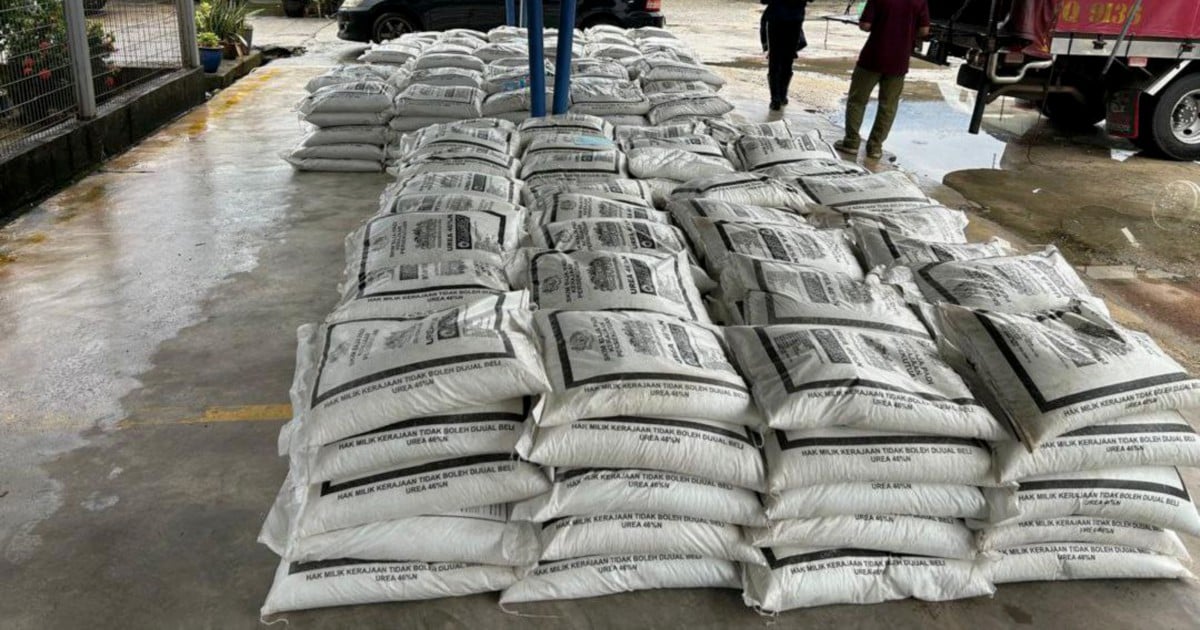
KUALA LUMPUR: The Agriculture and Food Security Ministry is reviewing the subsidised fertiliser supply chain following farmers’ complaints of delays that disrupted crop growth and forced them to bear additional costs.
It said that short contract periods had previously caused supply disruptions as contracts expired before new suppliers were appointed, Sinar Ahad reported.
Procurement reforms, including longer contracts, have since been implemented to ensure continuity.
“As an improvement measure, the ministry has reformed its procurement approach by extending supply contracts to ensure continuity and prevent disruptions to fertiliser distribution,” it said in a statement.
The ministry has also tightened monitoring and contractual penalties and, from 2025, adopted phased open tenders to improve efficiency, transparency and competition.
“Beginning in 2025, the ministry has implemented a phased open-tender procurement method for fertiliser supply.
“This approach aims to encourage healthy and competitive competition among suppliers, while ensuring that the supply and delivery of agricultural inputs are carried out more efficiently, transparently and effectively,” it reportedly said.
While acknowledging that timing issues in fertiliser delivery can affect yields, the ministry said claims of losses of up to 50 per cent were inaccurate, stressing that padi output is influenced by multiple factors such as irrigation efficiency, soil fertility, weather conditions, pests and diseases.
“Internal factors include infrastructure and the management of padi cultivation areas, such as the effectiveness of irrigation and drainage systems, consistent water supply, soil fertility, as well as the use of agricultural inputs like fertiliser and pesticides in accordance with prescribed standards.
“External factors refer to extreme weather changes, natural disasters, pest infestations and crop diseases, which can directly affect padi growth and yields,” it said.
Putrajaya also admitted that any mismatch in the timing of fertiliser supply has the potential to affect padi production performance.
“However, this factor is not the main determinant of overall output, and the approach taken is holistic, with a focus on continuous improvements to the agricultural input supply chain.
“In addition, the ministry will strengthen padi cultivation management practices and mitigation measures against external risk factors,” it added.
The Malaysian Padi Farmers Brotherhood Organisation (Pesawah),in calling for reform of the distribution system, urged the government to ensure that subsidised fertilisers are supplied on time.
© New Straits Times Press (M) Bhd