KUALA LUMPUR: Suggestions to revive Muafakat Nasional are unlikely to come to fruition, even amid growing strains within Perikatan Nasional (PN), analysts say.
Universiti Teknologi Malaysia Kuala Lumpur Faculty of Social Sciences and Humanities director Associate Prof Dr Mazlan Ali said the idea of a Muafakat Nasional 2.0 lacks genuine support from Umno‘s top leadership and is therefore doomed to fail.
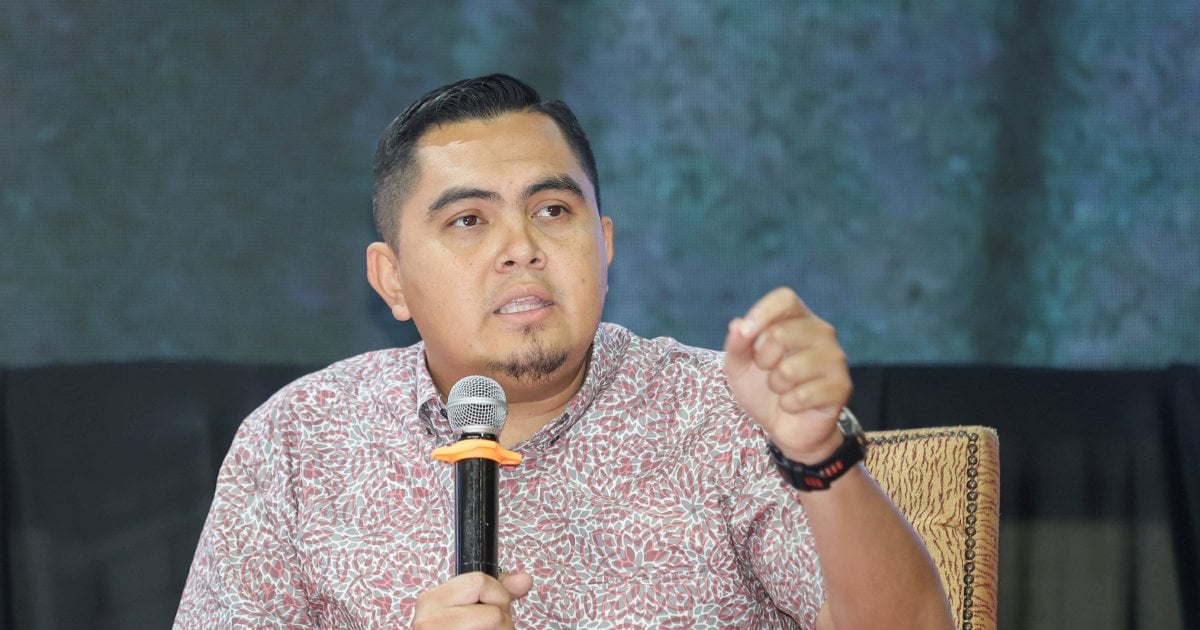
“The responses from Umno so far have only come from Youth chief Datuk Dr Akmal Saleh and perhaps one or two leaders who are not part of the party’s top decision-making circle. The Umno leadership at the highest level has remained silent,” he said.
Mazlan said this silence reflected deep-seated distrust stemming from the collapse of the original Muafakat Nasional, when Pas chose to align itself with Bersatu to form PN.
“From Umno’s perspective, Muafakat Nasional 1.0 failed because Pas was seen as betraying the agreement. That experience has left Umno wary and unwilling to place its trust in Pas again,” he said.
He said this mistrust was evident during the 15th General Election, when Umno decided to contest independently rather than cooperate with Pas.
After the polls, Umno went on to form a unity government with Pakatan Harapan.
Mazlan said recent developments within PN, including Tan Sri Muhyiddin Yassin stepping down as PN chairman and reports of disagreements between Pas and Bersatu, had reignited calls for Pas to reconsider its political alliances.
These calls intensified following the Perlis crisis, where several Bersatu and Pas assemblymen reportedly signed statutory declarations withdrawing support from Menteri Besar Mohd Shukri Ramli.
“There are voices within Pas urging the party to leave Bersatu, and at the same time we are hearing suggestions to rebuild cooperation with Umno.
“However, based on experience, Umno does not see Pas as consistent or reliable in its political commitments,” he said.
Mazlan said as long as this perception persists, Muafakat Nasional is unlikely to be revived, even if Pas and Bersatu were to part ways or PN were eventually dissolved.
“In short, Muafakat Nasional is not a platform that will be realised under the current political realities,” he added.
Universiti Kebangsaan Malaysia political science lecturer Dr Jamaie Haji Hamil said Muafakat Nasional was no longer relevant as a vehicle to take over the current political situation.
“The answer is clearly no. While there is always a possibility of renewed cooperation between Pas and Umno, Umno’s top leaders are fully aware that Pas is not a trustworthy partner,” he said.
Jamaie said Umno’s scepticism was shaped by previous experiences of governing together under administrations led by Muhyiddin and Datuk Seri Ismail Sabri Yaakob.
“As a result, Umno does not see Pas as a suitable partner to continue Muafakat Nasional,” he said.
He described calls to revive Muafakat Nasional as a political strategy by Pas to shore up support among Malay voters after losing confidence in Bersatu.
“Pas is trying to lean on Umno’s strength to attract Malay voters ahead of the 16th General Election,” he said, adding that even if Muafakat Nasional were revived, voters were unlikely to place their trust in it again.
Jamaie said experience showed that genuine consensus never truly existed within the pact, citing competition for influence and positions once parliamentary seats and state leadership posts were secured.
“In reality, Muafakat Nasional never existed in the true sense of the word. There was no clear leadership structure and no unified voice. Each leader appeared eager to speak independently on major political issues,” he said.
He added that reviving Muafakat Nasional would offer no real advantage in the next general election and would not stabilise the current political landscape.
“At present, the Madani government is on the right track, supported by increased investor confidence, a strengthening currency and various forms of assistance aimed at easing the cost of living pressures faced by the people,” he said.
Meanwhile, Universiti Malaya socio-political analyst Professor Datuk Dr Awang Azman Awang Pawi said Kedah Menteri Besar Datuk Seri Muhammad Sanusi Md Nor’s remarks on Muafakat Nasional should be read as a strategic political signal rather than a definitive shift in alliances.
He said the statement reflected Pas’s effort to prepare alternative options should tensions within PN continue to escalate, but this did not necessarily mean the party was ready to abandon the coalition.
“However, it is not certain that Umno would be receptive.
“Pas is often remembered as a party that changes its decisions, is inconsistent and is perceived as an unreliable political partner.
“Over the past 15 years, Pas has experienced problems in its relationships with PKR, DAP, Umno and now Bersatu,” he said.
Awang Azman said the renewed discourse on Muafakat Nasional functioned more as a bargaining tool than a concrete plan, aimed at exerting pressure on PN partners to recognise Pas’ mandate and political strength within the coalition.
© New Straits Times Press (M) Bhd