
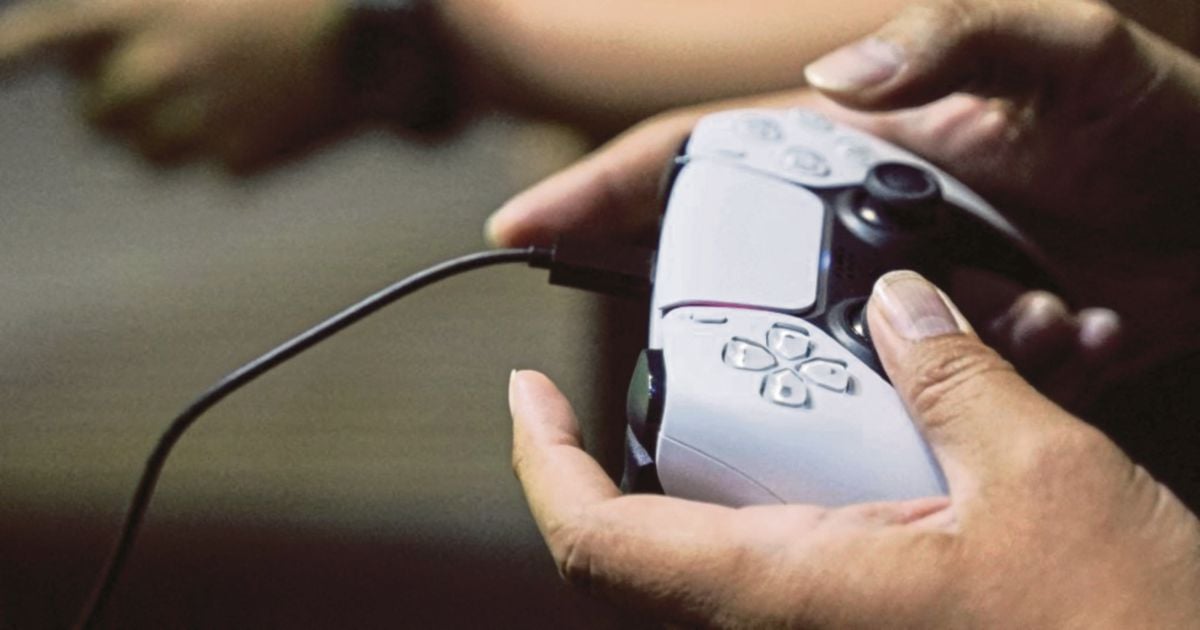
VIDEOGAME console sales were already under pressure owing to tariff turmoil and weak consumer spending. Now a surge in the prices of memory chips is threatening to make the devices costlier in what could be another blow to the industry.
Demand for dynamic random access memory — chips used in Sony’s PlayStation, Microsoft’s Xbox and the Nintendo Switch 2 — has exceeded supply as the tech sector races to build out artificial intelligence infrastructure. That has pushed memory makers to favour higher-margin datacentre chips, tightening supply for consumer devices. Micron, for instance, is pulling the plug on its long-running Crucial brand, a staple for personal computer (PC) builders and hobbyists.
Memory chips are central to gaming systems, enabling quick load times, smooth frame rates and overall performance — features that matter most in big-budget and proven titles.
With rising costs related to chips, console makers and other gaming-hardware producers may be forced to raise prices as the devices are usually sold on razor-thin margins, said analysts and industry experts. But such a move could sharply dent demand after tariff-driven hikes earlier this year, they warned. Sony, Xbox and Nintendo did not respond to requests for comment.
CyberPowerPC, a maker of high-end gaming PCs, announced price increases late last month. Others such as Dell Technologies and China‘s Lenovo also plan to raise prices, according to reports.
“Since memory makes up about a fifth of a PC’s total component costs, this hits manufacturers hard,” said Joost van Dreunen, games professor at NYU’s Stern School of Business. He said sticker prices for consoles could rise another 10 to 15 per cent over the next year or two, while PC prices could climb as much as 30 per cent as memory prices rise again in 2026.
Counterpoint Research estimated last month that memory prices were likely to rise 30 per cent in the last three months of 2025 and possibly 20 per cent more early next year, on top of the 50 per cent hikes so far this year.
Even though major console makers such as Sony typically lock in some inventory years ahead and can extend device lifecycles to blunt the impact, some industry watchers have downgraded their forecasts for the console market.
TrendForce expects growth of just 5.8 per cent this year, down from a previous view of 9.7 per cent, and sees a 4.4 per cent decline next year compared with an earlier forecast of a 3.5 per cent drop.
Spending on gaming hardware fell 27 per cent last month, while unit sales for the period were the weakest since 1995 as the average price of a new gaming device hit a record for the month, according to industry tracker Circana.
Average selling prices for consoles have increased this year as tariffs on imports hike manufacturing costs, while a lack of system-selling games leaves ageing hardware without a major catalyst for growth.
High-end consoles such as the Xbox Series X retail for around US$650, while the PlayStation 5 Pro is priced around US$750, according to company announcements.
Higher component costs could also complicate the roll-out of devices including the Steam Machine, a PC gaming platform from Counter-Strike creator Valve, which was expected to go on sale next year. Valve did not respond to a request for comment.
Companies will move cautiously if videogame spending pulls back more broadly, said Emarketer analyst Jacob Bourne. “So instead of risking poor sales, we might see console makers delay releases.”
The writer is from Reuters
© New Straits Times Press (M) Bhd