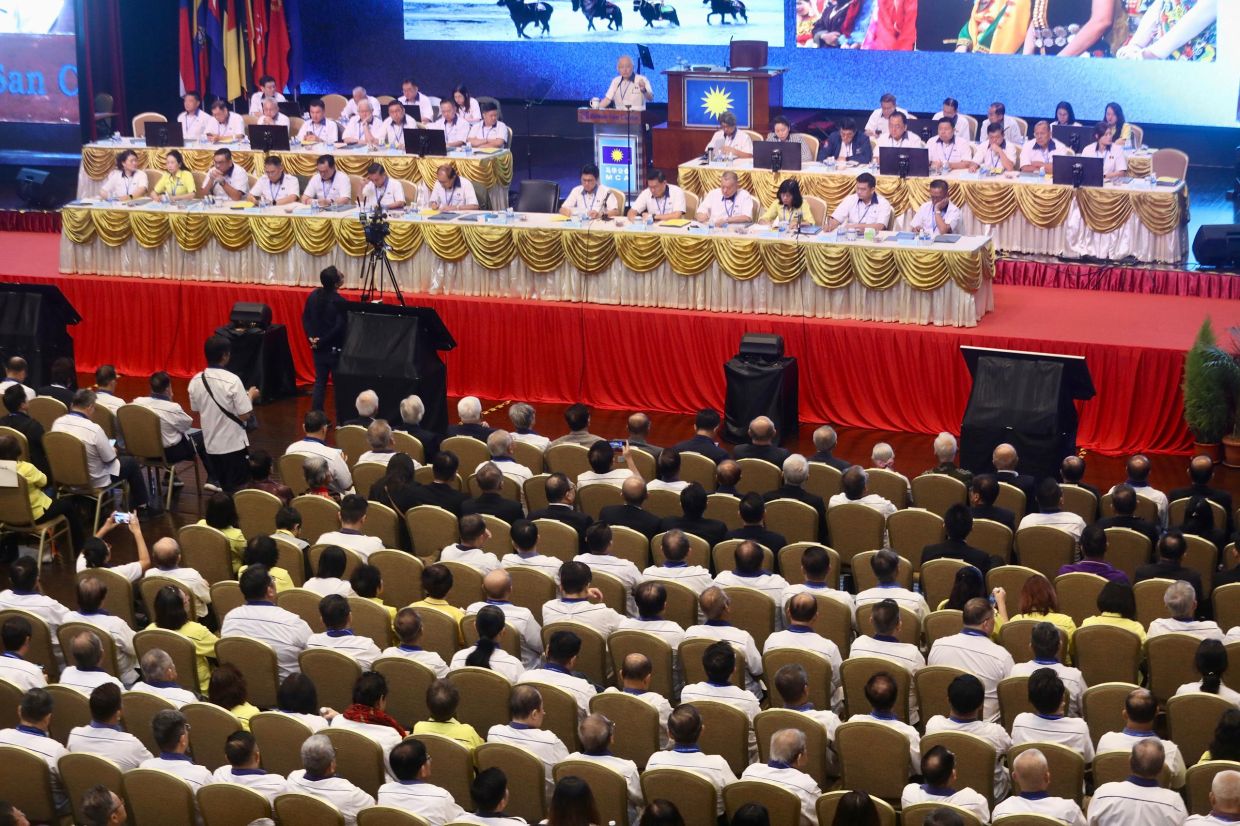
KUALA LUMPUR: MCA is prepared to go its own way if Barisan Nasional continues to support policies and political arrangements that hurt the people and weaken the coalition, says party president Datuk Seri Dr Wee Ka Siong.
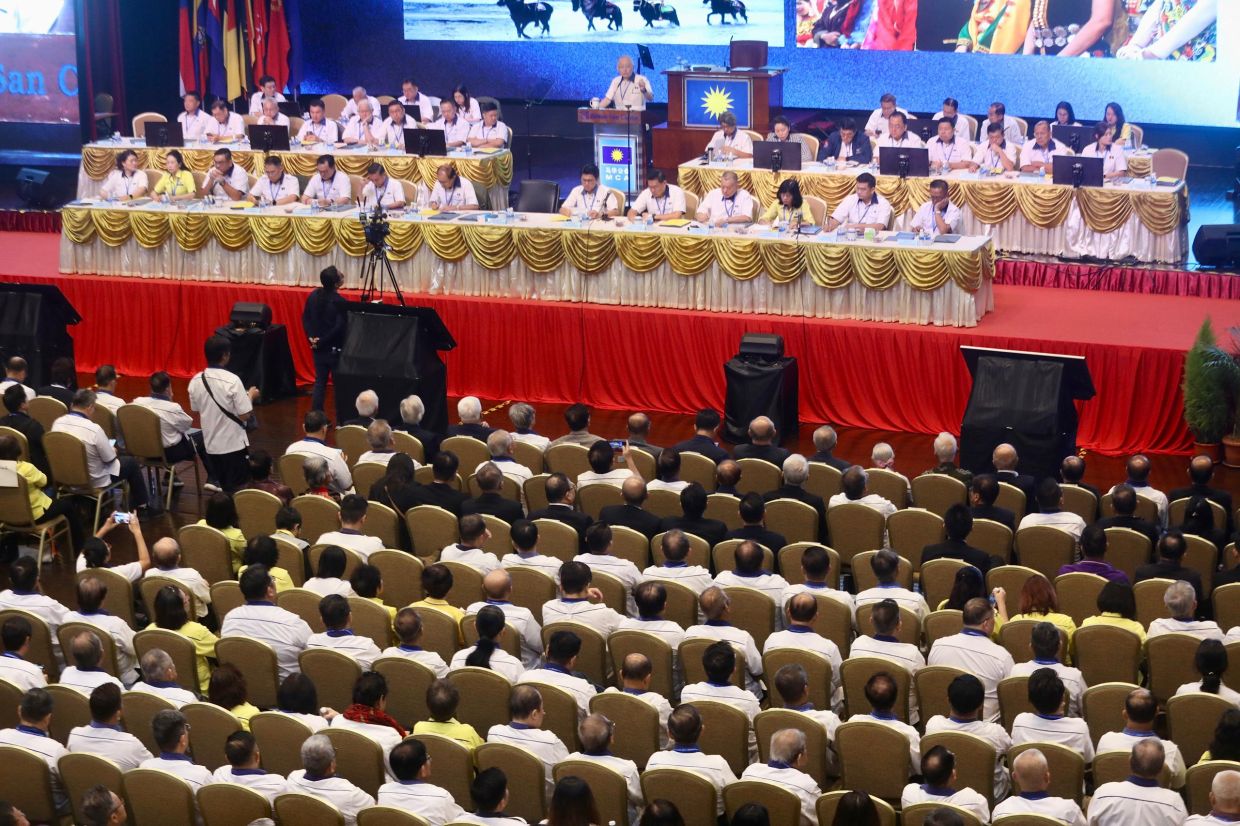
In his speech at the 3rd General Assembly of the 30th MCA Central Delegates, Dr Wee said several policies under the Unity Government had caused public dissatisfaction, and warned that Barisan risked being “dragged down”.
“The Unity Government has introduced too many policies that hurt the people, which has created widespread resentment.
“If Barisan worries too much about protecting the image of the Unity Government and fails to strengthen its own organisation, we will eventually be dragged down,” he said.
Dr Wee cited the proposed Urban Renewal Bill as an example, saying its contents did not safeguard property owners’ interests.
“The contents violate human rights and fail to protect the property rights of ordinary citizens.
ALSO READ: MCA president urges party to build support independently
“MCA and Barisan opposed it from day one. Yet the public still blames Barisan, simply because we are part of the Unity Government.”
He noted that MCA would oppose the Bill “to the very end” and called on Umno to maintain its own stated position.
“We urge Umno to stand firm on this issue, uphold the 14 points they proposed, and defend the people’s interests.
“They must not allow a self-righteous minister to act recklessly.
“If Umno supports this Bill, I can boldly predict that this will be the final straw that breaks Barisan Nasional and even Umno itself,” he said.
Dr Wee also took aim at the Health Ministry’s proposed Rakan KKM scheme, saying it would effectively give priority to those who can afford higher fees at public hospitals.
“Under this plan, those who can afford to pay higher medical fees will get priority access to consultations and surgeries, while the lower-income groups who cannot pay will be forced to wait. When public healthcare starts determining treatment based on how much money you have, can the people accept this? This is essentially the commercialisation of government hospitals,” he said.
ALSO READ: Sabah election sends warning signal to Unity Government, says MCA president
He dismissed the Health Minister’s explanation that the initiative would use “surplus” medical resources to help patients and raise funds.
“Which government hospital in Malaysia is not overcrowded or overwhelmed with patients? How can there possibly be such a thing as ‘excess medical resources’?” he asked.
Dr Wee added that the 2026 Budget’s RM46.5bil allocation for the Health Ministry, only RM1.2bil more than in 2025, was insufficient to tackle shortages of staff and equipment.
“The Rakan KKM programme has not even begun, yet we can already see the drawbacks before any benefits. If the government insists on pushing ahead, it may trigger widespread public dissatisfaction. I urge the government to think carefully before proceeding,” he said.
Against this backdrop, Dr Wee said the experience of being in the Unity Government had shown that it was “ultimately not where Barisan can thrive”.
“This is why I call on the leaders of our Barisan coalition members to read the political landscape clearly.
“If we continue like this, it will be severely detrimental to Barisan’s future,” he said.
He added that Barisan must show it is serious about reform if it wants to regain support.
“Barisan must show the people that we have the courage and determination to reform, so they will see Barisan with fresh eyes and believe that we are a capable political coalition ready to face upcoming elections,” he said.
He urged Barisan component parties to strengthen internal structures, avoid factionalism and bring back respected leaders who have been sidelined.
“Bring back those leaders who are not currently in the core leadership but have good public standing. Only then can Barisan gain strength and improve its overall image.
“Barisan also needs more moderate, broad-minded leaders. If we refuse to reform, we will be abandoned by the tides of time,” he said.
Dr Wee also criticised DAP and Pakatan Harapan, accusing them of repeatedly reversing positions since taking office.
“Since coming into power, DAP and Pakatan Harapan have made U-turns on countless issues, abandoning promise after promise. Worse still, they have not only betrayed the people, but they have also betrayed their own principles,” he said.
He said feedback from MCA divisional meetings and state assemblies showed a consistent view from the grassroots on cooperation with DAP.
“Over the past few months, from divisional meetings across the nation to state annual assemblies, we have received a clear and consistent message: if DAP insists on maintaining its usual political culture and continues taking positions that undermine MCA’s core interests, then it will be extremely difficult for MCA to build any form of cooperation with them in the days ahead,” he said.
Dr Wee added that any decision by Barisan allies to continue working with DAP and Pakatan in the next general election would signal that Barisan’s original spirit had “completely vanished”.
“If, by the next general election, some Barisan allies still wish to continue cooperating with them, that would only mean the Barisan spirit has completely vanished. In that case, we can only say, ‘Good luck! MCA has its own path’,” he said.
On the Unity Government’s internal dynamics, Dr Wee pointed to the recent Sabah state election, saying cooperation there was “only superficial”.
“In the Sabah election, we saw that cooperation within the Unity Government existed only superficially.
“On one hand, Prime Minister Datuk Seri Anwar Ibrahim said we must cooperate and avoid fighting among ourselves; on the other hand, he said it was a ‘friendly contest’ where parties could contest freely.”
He said this led to overlaps and clashes involving Barisan, Pakatan and Gabungan Rakyat Sabah (GRS) in four seats, followed by issues over government formation.
Dr Wee said if such contests were to be accepted as the “new norm” in politics, then no party should be restricted from contesting, with negotiations to follow after voters decide, in line with democratic processes and the Federal Constitution.