
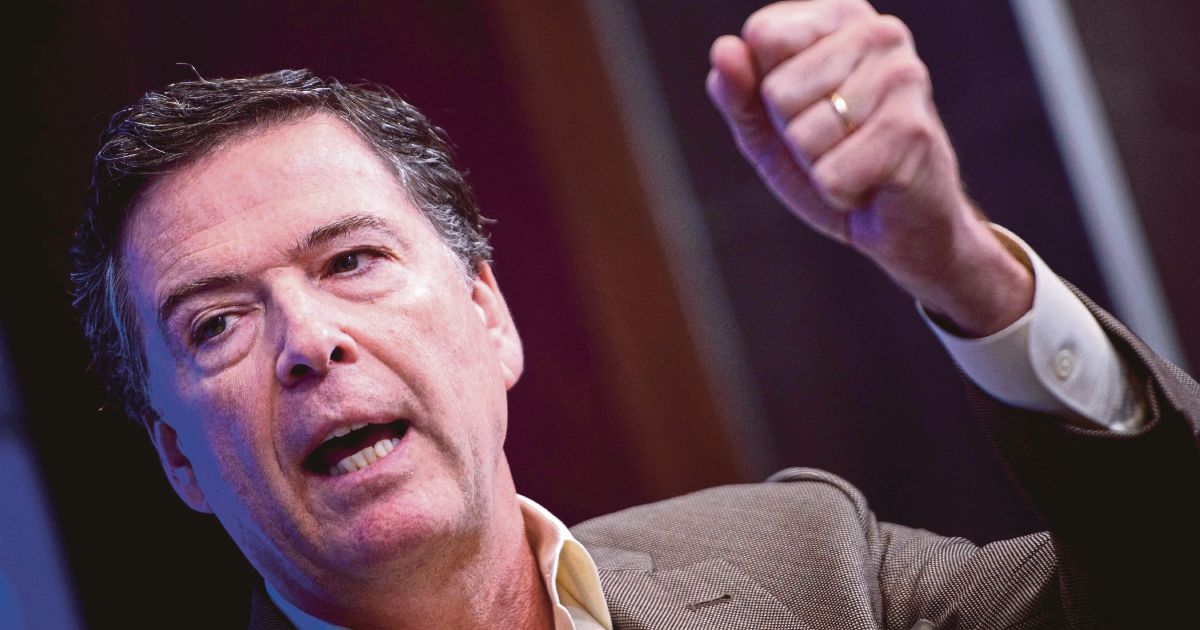
LINDSEY Halligan, a close ally of United States President Donald Trump, went before a grand jury in late September seeking criminal charges against a high-profile target: former Federal Bureau of Investigation director James C omey.
Halligan had been appointed interim US attorney for the Eastern District of Virginia only a few days before Trump publicly vented frustration with the lack of action against some of his top antagonists. She had no experience as a prosecutor and appeared before the grand jury alone after career staff in her office declined to sign on to the case.
Halligan secured an indictment against Comey, but the case almost immediately ran into problems. Judges began tallying a cascade of legal errors that culminated onMonday with the dismissal of the charges against Comey and a second prosecution against New York attorney-general Letitia James, another top Trump target.
The ruling by US district judge Cameron McGowan Currie was based on a procedural issue: that Halligan’s appointment violated a federal law limiting the tenures of interim US attorneys. But it underscored growing pushback in the courts against Trump’s demands that the Justice Department use its vast authority to pursue retribution against people who have criticised or investigated the president.
“When Trump’s bluster and revenge hits the reality of the courtroom, it tends to fall apart,” said Randall Eliason, a law professor at George Washington University. “When those cases are subjected to scrutiny, it turns out that a lot of other problems are reve ale d.”
The department has vowed to appeal against the ruling and can still seek new indictments against Comey and James. Prosecutors have disputed in court filings that Halligan committed legal errors or was motivated by partisan animosity.
“I take umbrage at the idea that the work that our prosecutors are doing is weaponisation,” deputy attorney-general Todd Blanche told a conservative legal conference this month. “The facts of the indictments against Comey and James have not changed and this will not be the final word on this matter,” said White House spokesman Abigail Jackson in a statement.
The ruling also showed how the Justice Department’s own missteps undermined cases Trump and his supporters have demande d. Qualified prosecutors at the Justice Department “who understand, know and care about the rules are showing themselves unwilling” to carry out Trump’s demands, said Kristy Parker, a counsel at Protect Democracy, an advocacy organisation that filed several suits against the Trump adminis tration.
In the Comey case, the grand jury rejected the lead criminal count in the proposed indictment, forcing prosecutors to scramble to draft a new version. The magistrate judge who received the indictment expressed confusion as to why two different versions of the document were presented in court. The trial judge, Michael Nachmanoff, later pressed prosecutors on whether the full grand jury had seen the final version of the indictment.
A third judge found that Halligan may have made “p rofound” errors before the grand jury, including presenting evidence shielded by legal privileges and misinforming the panel about fundamental elements of the law. A fourth judge, Currie, found Halligan had no legal authority to bring the Comey and James cases because her appointment was defective.
Currie rejected Bondi’s attempts to shore up the prosecutions by giving Halligan a second title, “special US attorney” and personally ratifying both indictments weeks after they were brought. “It would mean the government could send any private citizen off the street — attorney or not —into the grand jury room to secure an indictment so long as the attorney-general gives her approval after the fact,” Cur rie wrote. “That cannot be the law.”
Federal prosecutors have run into stumbling blocks in other cases important to Trump and his ag enda. Grand juries have declined to indict, and trial juries have refused to convict, some people who were charged as part of Trump’s law enforcement surge in Washington over the summer.
A federal judge in Tennessee found that Kilmar Abrego, the Salvadoran migrant wrongly deported by the Trump administration, had made a preliminary showing that his criminal prosecution was retaliatory.
Last week, Reuters reported that the Justice Department was scrutinising the conduct of two Trump allies who have played a role in its probe of mortgage allegations against Democratic Senator Adam Schiff, another figure Trump has demanded face prosecution.
The writer is from Reuters
© New Straits Times Press (M) Bhd