
MALAYSIA will aways be a favoured destination of refugees for a better life or at least, asylum and shelter from persecution in their respective homelands.
Perhaps Malaysia’s global reputation as a progressively altruistic state has preceded us, encouraging refugees to journey to Malaysia — and only Malaysia.
The refugees are half right in making the trek: their neighbours turn them away and who else but Malaysia, on humanitarian grounds, empathises with their plight.
Without sounding immodest, we are that compassionate. Ask the Palestinians and Bosnians.
Refugees from 50 nations — Rohingya, Pakistan, Syria, Somalia, Afghanistan, Yemen and Sri Lanka especially — seek refuge here to flee war and persecution, though some dream of making it rich, working in eateries and laundrettes, and hawking wares and food from their home countries.
They get treatment at government hospitals, get health services at subsidised rates while their children are informally but adequately educated.
They appreciate the privilege to practise their religion and culture under the warm affinities of Muslim communities. But there’s a troubling aspect: the refugees’ dubious legal status entails detention and deportation.
The restricted healthcare, employment and economic opportunities pushes them to precarious, low-paying jobs while struggling with poor living conditions, food insecurity and unaffordable living costs.
In some cases, they endure social stigmas.
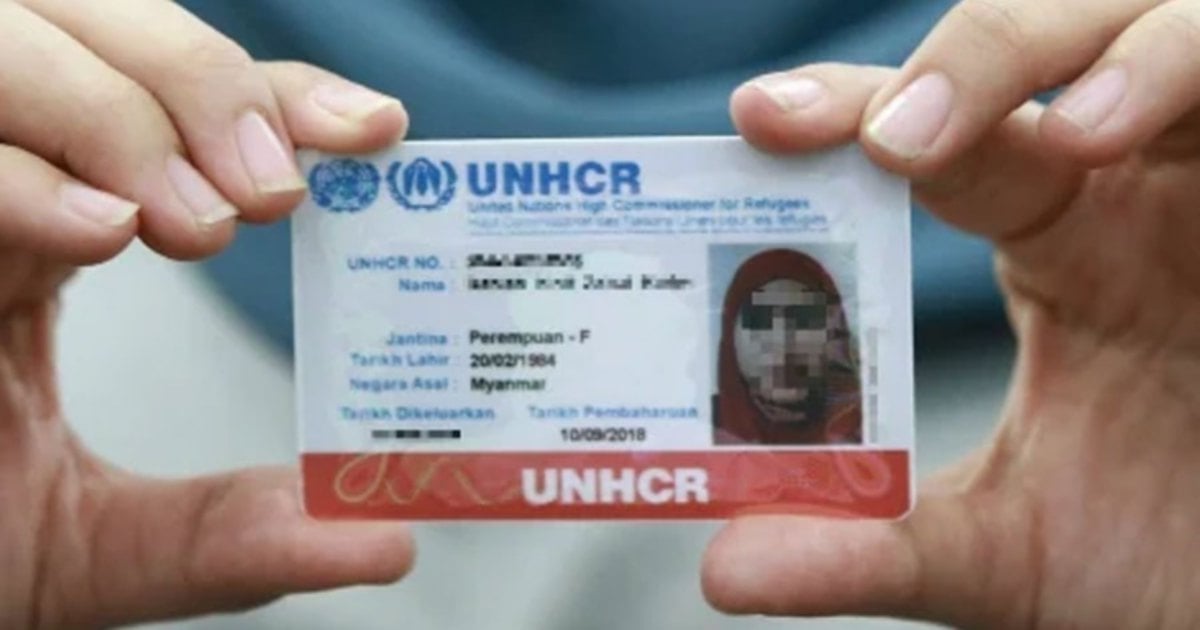
However, the time for positive change has arrived: rather than further allowing refugees to live in limbo, Putrajaya will deploy the Refugee Registration Document (RRD) system from Jan 1 to handle security risks and disorganised data, replacing the United Nations High Commissioner for Refugees’ (UNHCR) registration system.
With personal data and biometrics, refugees will secure an official identification document once their status is confirmed.
It’s wholly organised, this comprehensive database to monitor refugees while managing their predicament.
As of October, 211,000 refugees and asylum seekers, many of them stateless, aimless and drifting, were registered with the UNHCR in Malaysia.
The RRD is expected to clear up the uncertain legal status of refugees, restore clarity and legitimacy while reinforcing public confidence.
The RRD provides clear identification, better record-keeping and orderly refugee management, long overdue as reliance on UNHCR documentation has created ambiguity, abuse from fraudulent documents and feeble oversight.
The RRD should be able to enforce rights, reduce illegal employment and exploitation, improve social integration while protecting public safety and national security.
A word of caution: the RRD must be strengthened by broader legal and policy reforms — the right to work, access to affordable education and healthcare and clear legal pathways to transform their lives. It’s better than shifting bureaucratic UNHCR paperwork to us.
© New Straits Times Press (M) Bhd