
KUALA LUMPUR: The Health Ministry has issued compounds amounting to RM120 million for offences involving unregistered medicines, the Dewan Rakyat was told today.
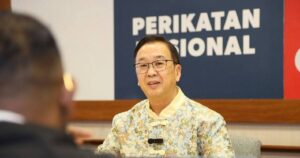
Deputy Health Minister Datuk Lukanisman Awang Sauni said the ministry is confronting not only the sale of illegal medicines but also the promotion of such products on social media and online platforms.
He said the compounds were issued under Regulation 7(1)(a) of the Control of Drugs and Cosmetics Regulations 1984.
“Although engagement sessions have been held between the Pharmacy Division and e-commerce platforms on removing medicine advertisements, and to advise against using social media such as TikTok Live to sell or promote medicines, especially weight-loss and beauty products, we continue to receive complaints.
“Statistics show that many seizures and complaints have been recorded, and compounds under Section 7(1)(a) of the 1984 Medicines Act have been issued. We issued compounds totalling RM120 million,” he said.
He was responding to Datuk Seri Hishammuddin Hussein (BN–Sembrong), who asked about the latest enforcement measures and stricter action taken, including e-commerce monitoring and inter-agency cooperation, to ensure consumer interests are protected.
Lukanisman said the ministry ensures compliance by monitoring the online sale and advertising of medicines and cosmetics, alongside awareness campaigns, talks and public dialogues.
“I remind users that while protecting the public, enforcement under existing Acts is not solely punitive but also life-saving for Malaysians,” he said.
Hishammuddin had earlier asked the ministry about measures to address shortages and price increases of essential medicines, including for chronic diseases, and its long-term strategy to reduce dependency on imports by strengthening local pharmaceutical production and ensuring affordable access to medicines.
In response, Lukanisman said the ministry is implementing both immediate measures and a long-term strategy to ensure medicine supply security and affordability.
“For immediate measures, the ministry conducts integrated monitoring of medicine stock through the Pharmacy Information System, with early notification to prevent stockouts at facilities should a supply disruption occur under logistics concession or central contracts.
“Alternative procurement mechanisms are also implemented to ensure patient treatment is not affected,” he said.
He added that the government also conducts joint procurement by consolidating quantities between the Health Ministry, the Defence Ministry and teaching hospitals under the Higher Education Ministry to secure more competitive prices and stable supply.
On long-term strategies, he said the ministry supports the local pharmaceutical industry, including the development and expansion of generic medicines, biosimilars and active pharmaceutical ingredients through collaboration with the National Pharmaceutical Regulatory Agency.
“Malaysia is also leading the Asean medicine security and self-reliance initiative, with an implementation plan from 2026 to 2030, which includes Asean bulk procurement and regional stockpiling.
“KKM remains committed to ensuring access to essential medicines while strengthening local pharmaceutical manufacturing capacity to reduce long-term dependence on imported inputs,” he said.
© New Straits Times Press (M) Bhd